
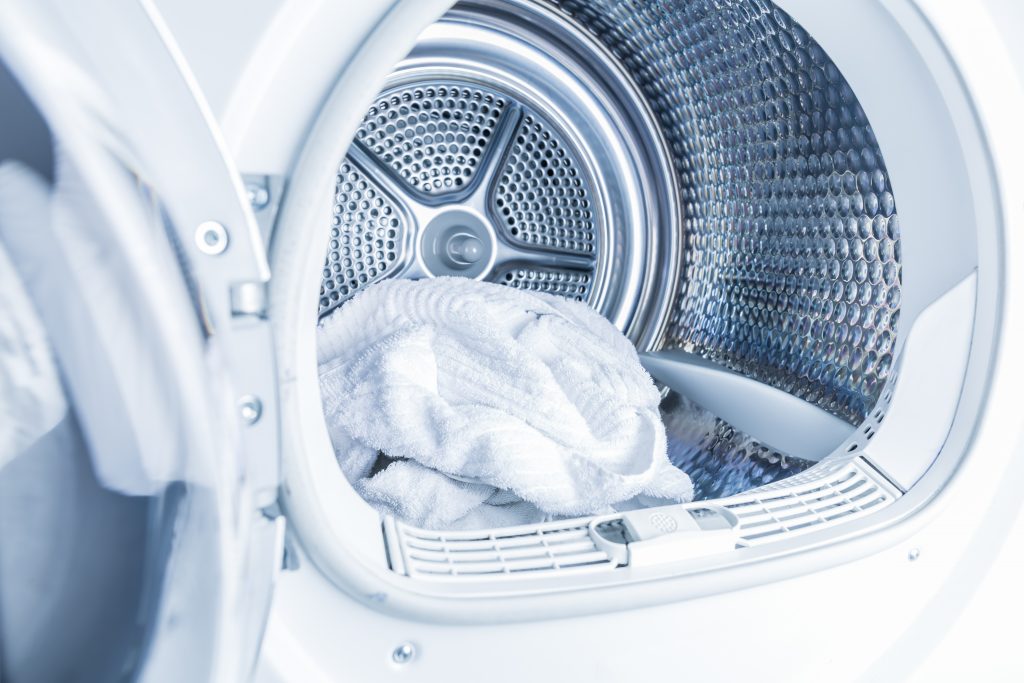
A dryer that spins but produces no heat can feel confusing at first. Your clothes tumble as usual, however they come out damp and cold every time. This issue is common in many homes, and it usually points to a specific failure inside the machine. At Quick & Pro Appliance Repair, we often see this situation and know exactly how to approach it step by step.
Common Reasons Your Dryer Has No Heat
When a dryer spins without heat, it means the motor is working but the heating system is not. Therefore, the issue is usually limited to a few key components.
One common cause is a blown thermal fuse. This part is designed to protect the dryer from overheating. If airflow becomes restricted, the fuse cuts power to the heating element. As a result, the dryer continues spinning but cannot generate heat.
Another possible reason is a faulty heating element. Over time, heating coils can burn out or break. In other words, the dryer runs normally but never warms up. This is especially common in older units that have been used frequently.
A broken thermostat can also cause this issue. The thermostat regulates temperature, so if it fails, the heating cycle may never activate. Similarly, wiring problems or loose connections can interrupt power to the heating system.
Airflow Problems That Affect Heating
Airflow plays a major role in how your dryer performs. If hot air cannot circulate properly, the machine may stop heating altogether. For example, a clogged vent or lint buildup can restrict airflow and trigger safety features.
In many cases, blocked vents lead to overheating. Because of this, the dryer shuts down its heating function to prevent damage. The drum keeps spinning, however no heat is produced.
Cleaning the lint filter is important, but it is not always enough. The vent hose and exterior exhaust also need regular attention. In addition, long or bent vent paths can reduce efficiency and increase the risk of heating failure.
If you notice longer drying times before the heat stopped working, that is often a sign airflow issues were developing. Addressing ventilation early can prevent more serious damage later.
Electrical and Power Supply Issues
Dryers require proper voltage to heat correctly. In many homes, dryers use a double circuit system. One side powers the motor, while the other powers the heating element.
If one breaker trips, the dryer may still spin but not heat. That is to say, it appears to work normally even though part of the power supply is missing. This is a simple issue that can sometimes be resolved by resetting the breaker.
However, damaged power cords or internal wiring can also cause similar symptoms. These problems are more complex and should be handled carefully. Most importantly, working with electrical components requires proper knowledge and safety precautions.
If you suspect a power issue, it is best to avoid guesswork. Professional diagnostics can quickly identify whether the problem is electrical or mechanical.
When Internal Parts Need Replacement
Over time, certain dryer components naturally wear out. Heating elements, thermostats, and fuses are designed to last, however they are not permanent. Eventually, they may fail and stop the heating process.
Replacing these parts requires proper diagnosis first. For instance, installing a new heating element without checking airflow may lead to the same issue again. In the same vein, replacing a fuse without fixing the cause of overheating will not solve the problem long term.
This is why proper inspection matters. At Quick & Pro Appliance Repair, each repair starts with a full system check. That way, the real cause is identified before any parts are replaced.
If you are dealing with ongoing dryer issues, professional help can save time and prevent repeated breakdowns. You can also explore trusted appliance repair solutions to better understand your options.
Why Timely Repair Is Important
Ignoring a dryer that has no heat can lead to bigger problems. Wet clothes may seem like a small inconvenience, however the underlying issue can worsen over time. For example, airflow problems can damage internal components or even create safety risks.
A malfunctioning dryer also uses more energy. Because it runs longer without drying properly, your utility costs may increase. In addition, repeated use under faulty conditions can shorten the lifespan of the appliance.
Scheduling timely service helps prevent these outcomes. If your dryer is already showing signs of failure, it is better to act early. Professional dryer repair services can restore performance and ensure safe operation.
How to Prevent Heating Problems in the Future
Preventive care can reduce the chances of this issue happening again. Firstly, always clean the lint filter after every load. This simple habit improves airflow and reduces overheating risk.
Secondly, check and clean your vent system regularly. Dust and lint buildup inside the vent is one of the most common causes of heating failure. In addition, make sure the vent hose is not crushed or bent behind the dryer.
It is also important to avoid overloading the machine. Large loads can restrict airflow inside the drum, which affects drying performance. Similarly, using the correct settings for different fabrics helps maintain proper operation.
Regular maintenance keeps your dryer working efficiently. If you notice unusual behavior, early inspection can prevent more serious issues.
Conclusion
A dryer that spins but does not heat is usually dealing with a specific and fixable problem. Whether it is a faulty part, airflow restriction, or power issue, the solution starts with proper diagnosis. At Quick & Pro Appliance Repair, we focus on identifying the exact cause and restoring your appliance quickly.
Taking action early not only fixes the problem but also protects your appliance from further damage. With the right approach, your dryer can return to working like new.
FAQs
Why does my dryer run but not heat at all?
This usually happens due to a blown thermal fuse, faulty heating element, or power supply issue. The drum can still spin, however the heating system stops working.
Can a clogged vent cause no heat in a dryer?
Yes, restricted airflow can trigger safety features that shut off the heating element. Therefore, cleaning the vent system is very important for proper operation.
Is it safe to use a dryer that has no heat?
It is not recommended to continue using it for long. In some cases, the underlying issue can lead to overheating or further damage.
How do I know if the heating element is broken?
If the dryer runs normally but never produces heat, the heating element may be damaged. A professional inspection can confirm this quickly.
Should I repair or replace my dryer?
In most cases, repairing the faulty component is more cost-effective. However, if multiple parts are failing, replacement might be a better option.




