
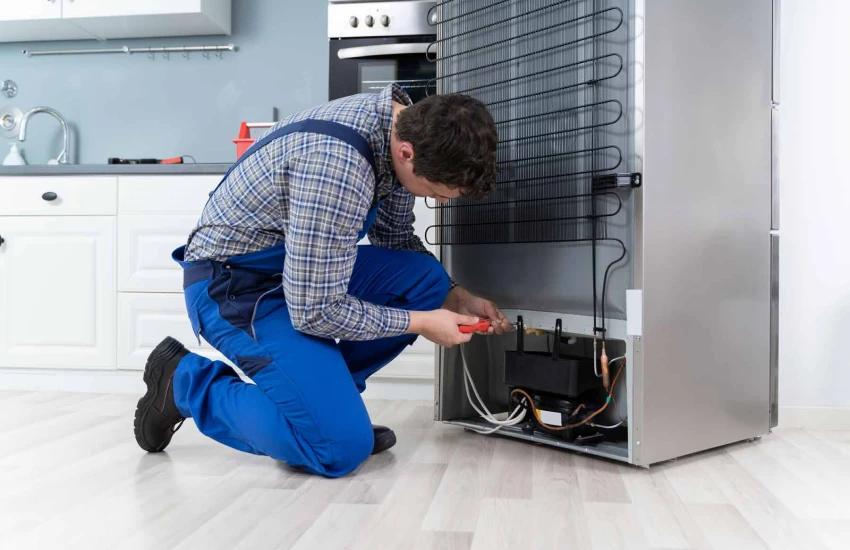
When your fridge feels cold but food spoils, it sends a mixed signal that something is not working as it should. Many homeowners open the door, feel cool air, and assume everything is fine. However, Quick & Pro Appliance Repair often finds that this issue points to uneven cooling or hidden system problems that affect food safety.
A refrigerator must do more than blow cold air. It must keep stable temperature and airflow across all sections. Therefore, if your fridge feels cold but food spoils, the real issue often comes from imbalance inside the unit rather than a complete failure.
Cold Air Does Not Mean Proper Cooling
Cold air can be misleading. In many cases, the fridge feels cold near the door but warmer deeper inside. When your fridge feels cold but food spoils, uneven cooling becomes the most likely cause.
Air needs to move evenly through vents and shelves. However, poor airflow creates warm pockets that allow bacteria to grow faster. As a result, food loses freshness even though the fridge seems to work.
Temperature sensors also guide the cooling cycle. If they misread conditions, the fridge may not adjust correctly. In other words, it runs but does not cool where it matters most.
Airflow Problems That Stay Hidden
Airflow issues often build up slowly. Therefore, most people notice them only after food starts spoiling faster than usual. When your fridge feels cold but food spoils, blocked vents or weak fans are often behind the problem.
The fan moves cold air throughout the unit. However, if it slows down, cooling becomes uneven. As a result, certain shelves remain warmer than expected.
Frost buildup can also block air channels. In addition, dirty coils reduce cooling efficiency and force the system to work harder. If these problems continue, professional help like fridge repair becomes necessary to restore proper airflow.
Temperature Settings Can Be Misleading
Many people trust dial numbers without checking real temperature. However, these numbers do not always reflect actual conditions. When your fridge feels cold but food spoils, incorrect settings often play a role.
The ideal range should stay consistent. If the temperature drifts even slightly, food can spoil faster. Meanwhile, colder spots may give a false sense of security.
Thermostats can also wear out over time. Therefore, the fridge may run cycles incorrectly without clear signs. Using a thermometer gives a more accurate picture and helps identify hidden issues.
Sometimes, power supply problems affect multiple appliances. For example, inconsistent performance in the kitchen may also connect to needs like stove repair when electrical flow is unstable.
Door Seal Problems Let Warm Air In
Door seals play a key role in maintaining internal temperature. However, they often wear out without notice. When your fridge feels cold but food spoils, small air leaks may be the cause.
A weak seal allows warm air to enter. As a result, the fridge struggles to maintain stable cooling. This creates fluctuations that shorten the lifespan of stored food.
You can test the seal easily. Close the door on a piece of paper and pull it gently. If it slides out without resistance, the seal needs attention. Therefore, replacing it can improve performance quickly.
Warm air also increases moisture inside the fridge. In addition, condensation forms and affects food quality over time.
Overloading and Poor Organization
Storage habits often affect performance more than expected. When your fridge feels cold but food spoils, overcrowding becomes a common factor.
Air must move freely between items. However, packed shelves block that movement. As a result, cooling becomes uneven across different sections.
Proper placement also matters. Dairy, meat, and produce each require specific conditions. In other words, placing them incorrectly leads to faster spoilage.
If poor organization combines with mechanical issues, the problem becomes more serious. In some homes, multiple appliances show signs of wear, which may connect to services like cooktop repair in the same kitchen setup.
Internal Components May Be Wearing Out
Over time, internal parts begin to lose efficiency. Therefore, cooling performance drops gradually. When your fridge feels cold but food spoils, worn components may be responsible.
The compressor controls how the fridge cools. However, if it weakens, it cannot maintain steady temperatures. As a result, food spoils even though the fridge still feels cold.
Defrost systems also play a role. If they fail, frost builds up and blocks airflow. In addition, this reduces cooling efficiency across the unit.
Other appliances can show similar aging patterns. For instance, long-term wear may also lead to problems requiring washer repair in the same household.
Why You Should Act Early
Ignoring this issue leads to bigger problems. When your fridge feels cold but food spoils, it signals inefficiency that will worsen over time.
The fridge works harder to maintain temperature. Therefore, energy use increases and costs go up. In addition, constant strain shortens the lifespan of the appliance.
Food safety also becomes a concern. Items may appear fine but still carry risks. Quick & Pro Appliance Repair often sees small problems turn into major repairs when left unchecked.
Simple Steps You Can Take Right Now
Start with basic checks. First, measure the internal temperature using a thermometer. Then, inspect vents and remove any blockages.
Next, clean the coils and check door seals. In addition, organize items to allow proper airflow. These steps often improve cooling quickly.
If the issue continues, deeper inspection is necessary. Therefore, professional diagnosis helps uncover hidden faults.
When your fridge feels cold but food spoils, early action protects both your food and your appliance.
FAQs
What causes a fridge to feel cold but not preserve food?
Uneven airflow, faulty sensors, or incorrect temperature settings usually cause this issue. The fridge may feel cold but still fail to maintain safe storage conditions.
How can I confirm if my fridge temperature is correct?
Place a thermometer inside the fridge. This gives an accurate reading and helps you detect hidden cooling problems.
Can blocked vents really spoil food faster?
Yes, blocked vents stop proper air circulation. This creates warm zones where food spoils more quickly.
Is it normal for some parts of the fridge to feel colder than others?
No, the temperature should stay consistent. Uneven cooling often signals airflow or component issues.
When should I call for professional help?
If basic cleaning and adjustments do not fix the problem, a technician can diagnose internal failures and restore proper function.




