
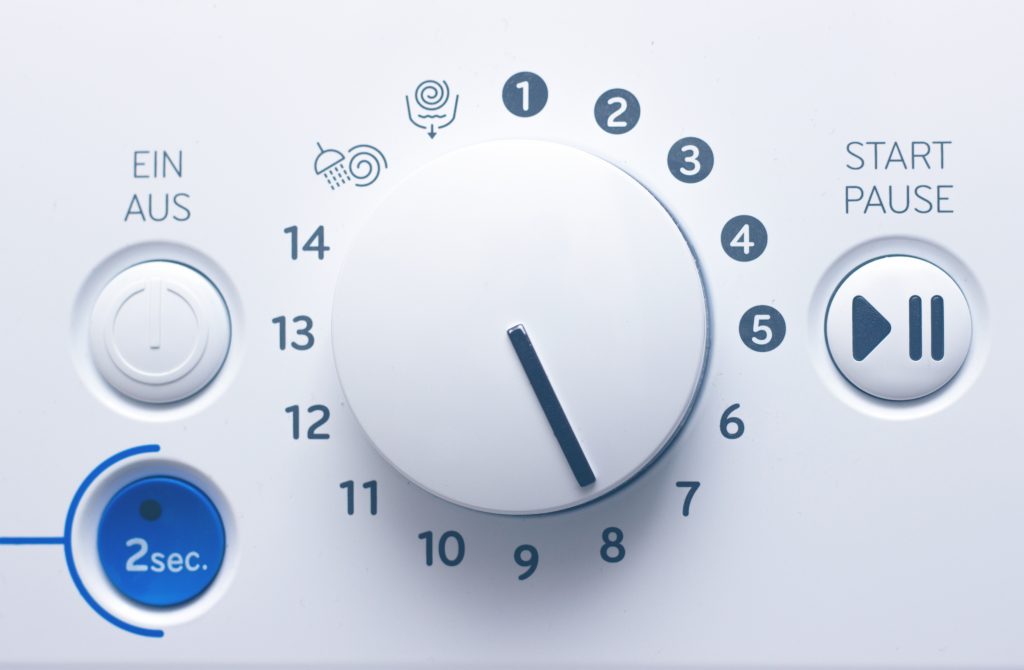
When a washer acts like it will spin and then gives up, spin cycle stops can feel random and frustrating. However, the stop usually follows a specific signal the machine is reacting to. Quick & Pro Appliance Repair sees this pattern often, and the fix depends on what the washer “thinks” is happening during that first minute of spin.
If you want a general overview of service options and support, start here: appliance repair in San Fernando Valley. Therefore, once the basics are clear, it becomes easier to spot whether the issue is setup, draining, sensing, or a worn part.
Spin cycle stops because the washer can’t drain fast enough
A washer will not spin properly if it cannot remove water at the right time. Consequently, the control may start the spin, sense heavy water load, and cancel to protect the motor. This is common when a drain pump is weak, a filter is clogged, or a drain hose is kinked behind the unit.
Firstly, listen for a strong pump sound right before spin. Secondly, check if the tub still has water when the spin quits, and look for slow draining in the standpipe. In addition, small items like socks can slip into the pump area and create an on and off draining pattern that confuses the cycle timing.
What to check safely before a service call
Unplug the washer and inspect the drain hose for tight bends. After that, confirm the hose is not pushed too far down the standpipe, because that can cause siphoning and weird stop start behavior. To clarify, siphoning can trigger a refill, which then interrupts the spin routine.
Lid switch or door lock issues that interrupt spin
Top load washers rely on a lid switch, while many newer models use a lid lock that must stay engaged. Likewise, front load units depend on a door lock that confirms the door is fully secured. If the lock signal drops for even a moment, the washer may begin spinning and then stop immediately.
That is to say, the control is not “being picky,” it is following a safety rule. If the lock is worn, the strike is misaligned, or the wiring connection is loose, spin can start and then quit without warning. Most importantly, a door lock problem can be intermittent, so the washer might work once and fail the next load.
Signs a lock problem is the real cause
Watch the display or indicator lights when the spin begins. For instance, if the lock light flickers or turns off right when the spin stops, the lock circuit is a strong suspect. In addition, if you hear repeated clicking near the door or lid area, the machine may be trying to relock and failing.
Out of balance detection that cancels the cycle early
Modern washers use sensors to detect vibration and load balance. However, the algorithm can be overly sensitive when the washer is not level, the load is bulky, or the suspension is tired. As a result, the washer may ramp up, feel the shake, and shut the spin down to prevent walking.
Firstly, confirm the washer sits solidly on the floor without rocking. Secondly, avoid washing a single heavy item like a bath mat or small rug alone, because it can slam to one side. Moreover, check for bent leveling feet or a floor that slopes, since either can make the machine “think” it is always unstable.
When suspension parts are the hidden issue
If the tub bounces easily when you press down and release, the shock absorbers or suspension rods may be worn. Consequently, even normal loads can trigger early spin stops. Quick & Pro Appliance Repair often finds this after customers already tried redistributing laundry several times.
Motor, belt, or control problems that show up only at spin
Spin puts the most demand on the drive system. Therefore, a slipping belt, a worn clutch, or a failing motor capacitor can allow the start of spin but not sustain it. Some washers will also stop if the control senses overheating, excessive current draw, or a speed feedback error from the tachometer.
That is to say, the washer may be protecting itself from damage. If you smell hot rubber, hear squealing, or notice the drum never reaches a strong spin speed, the drive system needs attention. Similarly, if the washer displays an error code right when spin stops, that code is valuable for diagnosis.
Related appliance symptoms in the same home
Sometimes laundry problems arrive with other household appliance issues, especially when power circuits are overloaded or ventilation and moisture conditions are poor. For example, a dryer that struggles can leave loads heavier, which then makes balance problems worse on the next wash. If drying performance is part of the story, review dryer repair options.
In the same vein, kitchen appliances can also show early signs of electrical inconsistencies, like controls resetting mid cycle. If a kitchen unit is acting up too, check dishwasher repair or stove repair information to compare symptoms and timing across the home.
When to call Quick & Pro Appliance Repair
If spin cycle stops after you confirm the load is balanced and the washer drains properly, the next step is a professional diagnosis. Consequently, Quick & Pro Appliance Repair can test the lock circuit, drain performance, motor draw, and speed sensing under real spin conditions. Book washer specific help here: washer repair.
Most importantly, avoid repeated restarts that force the washer to attempt spin again and again, because that can worsen belt slip, pump strain, or lock wear. In conclusion, a clear symptom timeline and any displayed error code help the technician pinpoint the cause faster.
FAQs
Why does my washer start spinning and then stop with water still inside?
Usually the washer is not draining fast enough, so the control cancels spin to prevent strain. Therefore, check for a kinked drain hose, a partial clog, or a weak drain pump.
Can an unbalanced load really stop the spin every time?
Yes, especially with bulky items or a washer that is not level. However, if small loads also fail, worn suspension parts may be making the tub too bouncy.
What does a door lock problem look like during spin?
The washer may click, flash a lock light, start spinning briefly, and then stop. That is to say, the control loses the “locked” confirmation and shuts the spin down for safety.
Is it safe to keep restarting the cycle until it finishes?
It is better not to, because repeated spin attempts can overheat components and increase wear. Consequently, stop and troubleshoot the likely cause instead of forcing multiple restarts.
When should I schedule washer service for this issue?
If basic load leveling and drain checks do not change the behavior, schedule service. Moreover, if there is burning smell, loud squeal, or recurring error codes, professional diagnosis is the safest next step.
