
When your washer not cleaning properly becomes a regular issue, it often starts quietly. Quick & Pro Appliance Repair sees many cases where the machine runs smoothly, yet clothes come out less clean each time. At first, the difference feels small. However, over time, washing results drop noticeably. Therefore, recognizing these early changes helps prevent deeper damage and frustration.
Subtle Changes That Signal Your Washer Not Cleaning Properly
Most washers do not fail suddenly. Instead, they lose efficiency step by step. Clothes may feel stiff after washing. In addition, colors can look dull even after a normal cycle. These early signs often go unnoticed because the machine still completes every cycle.
Another common issue is leftover detergent on clothing. That is to say, the rinse process is no longer working as expected. You may also notice that certain spots remain dirty after washing. Consequently, this shows that water and detergent are not reaching all areas properly.
Odors are another warning sign. If clothes smell musty after washing, buildup may already be affecting performance. Therefore, these symptoms should never be ignored.
Why a Washer Can Work but Still Clean Poorly
A washer can operate without errors while still delivering poor results. One reason is restricted water flow. When filters or hoses clog, water cannot circulate properly. As a result, detergent stays concentrated in one area instead of spreading evenly.
Worn components also play a major role. For example, a weak pump reduces water movement inside the drum. Similarly, a faulty inlet valve limits how much water enters the machine. These issues often develop slowly, which makes them harder to detect.
Improper loading habits can make the situation worse. When the drum is overloaded, clothes do not move freely. In addition, detergent cannot reach every item. This creates uneven washing results.
If you suspect deeper issues, reviewing your system through appliance repair services can help uncover hidden faults early.
Internal Buildup That Reduces Cleaning Power
Even a clean-looking washer can hide buildup inside. Soap residue, lint, and mineral deposits collect over time. Therefore, these layers block proper water movement and reduce efficiency.
The drum is only part of the system. Hoses, filters, and internal channels also collect debris. As a result, water pressure drops and cleaning becomes inconsistent. This is one of the main reasons a washer not cleaning properly continues to worsen.
Mold and mildew also develop in hidden areas. In addition, they cause strong odors that transfer to clothing. This creates a situation where laundry smells worse after washing.
Routine maintenance helps prevent buildup. However, once accumulation becomes heavy, professional cleaning is often required.
How Household Systems Influence Washer Performance
Your washer depends on other systems in your home. For example, water supply issues can reduce washing effectiveness. Similarly, electrical fluctuations may affect cycle performance.
If you notice problems with kitchen appliances, it may not be a coincidence. In the same vein, checking related systems like stove repair or cooktop repair can reveal shared issues.
Refrigerator performance can also provide clues. For instance, cooling problems may point to electrical inconsistencies. Looking into fridge repair may help identify broader concerns.
Because washers rely on stable water and power, even small changes can affect cleaning results.
When It Is Time to Fix the Problem
Many people wait until the washer stops working. However, declining performance is already a warning sign. If your washer not cleaning properly continues for several cycles, action is needed.
Start with basic checks. Make sure you are not overloading the drum. In addition, use the correct detergent type and amount. After that, inspect visible parts like filters and seals.
If results do not improve, internal components may be failing. Ignoring the issue can lead to more expensive repairs later. Therefore, early action saves both time and money.
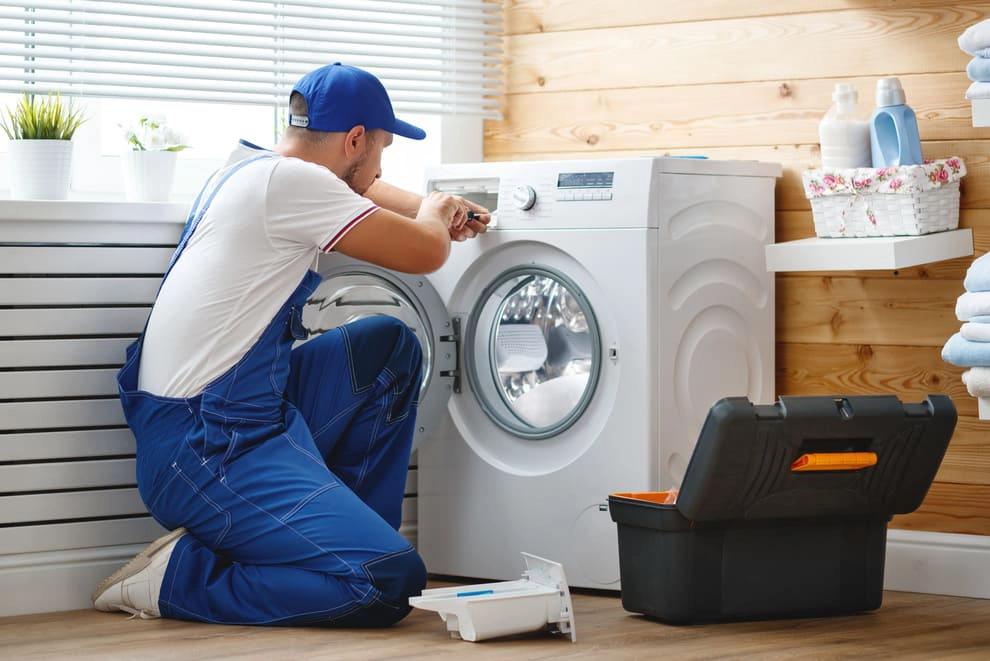
Professional washer repair can identify the exact cause and restore proper performance. This ensures your appliance works efficiently again.
Why Performance Matters More Than Operation
A working washer should deliver clean results every time. If performance drops, the machine is not functioning properly, even if it turns on and completes cycles.
Clean clothes should feel fresh and look bright. However, when results vary, something inside the system is failing. Therefore, consistency is the true measure of performance.
Quick & Pro Appliance Repair focuses on identifying these hidden issues early. In addition, timely repairs extend the lifespan of your appliance.
When your washer not cleaning properly becomes a pattern, it is a clear signal that attention is needed now.
FAQ
What causes a washer to clean poorly over time?
Gradual buildup, worn components, and reduced water flow often cause poor cleaning. In addition, incorrect detergent use and overloading contribute to declining performance.
Can detergent type affect washing results?
Yes, using the wrong detergent reduces cleaning efficiency. For example, low-efficiency washers require specific formulas to work properly.
How do I know if buildup is the issue?
Signs include bad smells, residue on clothes, and inconsistent results. Therefore, these symptoms often point to internal buildup.
Is it safe to keep using a washer with poor results?
It is not recommended. Continued use can worsen internal damage. Consequently, repairs may become more expensive over time.
How quickly should I fix washing performance issues?
You should act as soon as the issue appears. Early repairs prevent further damage and restore proper cleaning performance.




